
When “Just a Steak” Becomes Deadly: The Startling Rise of Tick‑Triggered Meat Allergy
You probably expect a steak to be a hearty meal, not a life-threatening gamble. But a recent case may have changed that forever. According to a report in ABC News, a healthy 47‑year-old man from New Jersey became the first person documented to die from what’s known as the alpha‑gal syndrome (AGS), a severe meat allergy triggered by tick bites.
After a camping trip and a beef dinner, the man fell ill, recovered, then had a hamburger days later, and within hours suffered a fatal anaphylactic reaction.
🩸 What Is Alpha‑gal Syndrome?
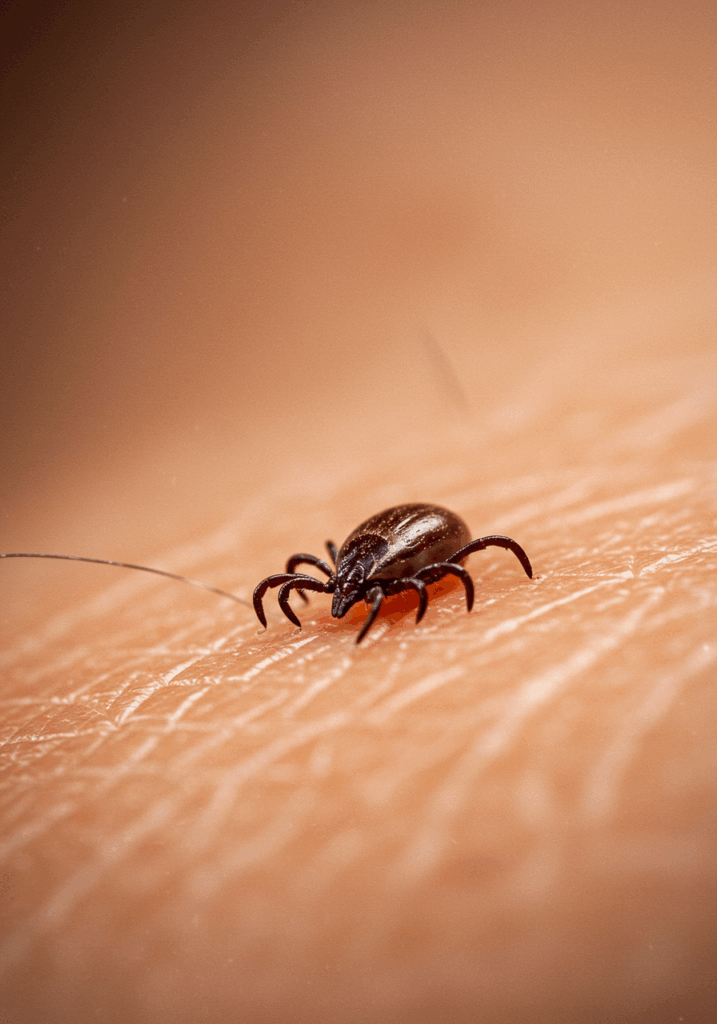
AGS isn’t your run‑of‑the‑mill food allergy. It develops after a bite from the Lone Star tick (or related ticks), which exposes your immune system to a carbohydrate called “alpha‑gal” found naturally in most mammalian meat (beef, pork, lamb). Your body can become sensitized so that eating red meat hours later triggers a dangerous allergic reaction.
Symptoms typically appear 3–6 hours after meat consumption: digestive distress, hives, shortness of breath, and in rare cases (like the New Jersey man) full-blown anaphylaxis.
Why This Matters and What It Means for You
-
It’s not just processed meat, even a simple hamburger can be deadly. AGS doesn’t discriminate between pricey steaks and fast‑food burgers.
-
Tick exposure is more common than you think. Tick bites or even “chigger”‑like bites around the ankles may leave you vulnerable. Researchers stress that tick bites should never be taken lightly.
-
Awareness can save lives. If someone develops unexplained severe stomach pain, hives, or breathing trouble hours after eating red meat, especially in regions where ticks are common, it may not be “just indigestion.” It could be AGS.
What Wellness‑Minded Folks Should Do Instead
-
Take tick prevention seriously. If you spend time outdoors, whether hiking, riding, or trail‑riding with horses, treat clothing with tick repellents, check for ticks often, and stay conscious of your surroundings.
-
Listen to your body. An episode of stomach pain, rash, or breathing issues a few hours after eating meat isn’t normal, consider getting tested for AGS.
-
Explore alternative protein sources. And even for people without AGS, reducing red meat is backed by decades of nutritional science. Multiple long‑term studies show that substituting fish, poultry, legumes, nuts, low‑fat dairy, or whole grains for red meat can lower the risk of premature death.
-
Adopt a “whole‑foods, variety” mindset. Instead of relying heavily on red meat, diversify with plant‑based proteins, fish, lean poultry, and produce. This supports heart health, longevity, and overall vitality
Final Thoughts: Meat, Ticks and Making Smart Choices
This heartbreaking milestone should be a wake‑up call. Even if you’ve eaten red meat for decades without issue, a tick bite could turn that old favorite into a danger. For wellness‑conscious readers, especially those who like outdoor activities or animal companions, it’s a reminder: vigilance, variety, and prevention matter.
For more information visit ABC News and UVA Health