Ultra-Processed Foods Linked to Higher Early Colon Cancer Risk
In a world where convenience often drives our food choices, a sobering new study suggests that those quick, ready-made snacks may be costing our health, and quite early on.
What the Study Found
Researchers from the Harvard T.H. Chan School of Public Health and Massachusetts General Hospital tracked more than 29,000 women under 50 over 24 years, examining their diets and colon health. The results? Those in the highest group of ultra-processed food (UPF) consumption had a 45% higher chance of developing early-onset conventional adenomas, precancerous polyps that can lead to colon cancer, compared to those eating the least UPFs.
Interestingly, the increased risk applied to conventional adenomas, but not serrated lesions, suggesting that UPFs may particularly influence one common colorectal tumor pathway.
Why This Matters
-
📈 Early-onset colorectal cancer (EOCRC), which is diagnosed before age 50, is rising globally. Meanwhile, UPFs now make up a large portion of daily calories for many people.
-
🛑 This isn’t just about cancer risk far in the future, the precursors show up early, and decades of dietary habits could be playing a role.
-
✅ Because conventional adenomas are modifiable, this isn’t a hopeless warning, it’s a wake-up call and an opportunity for prevention.
What Counts as Ultra-Processed Foods?
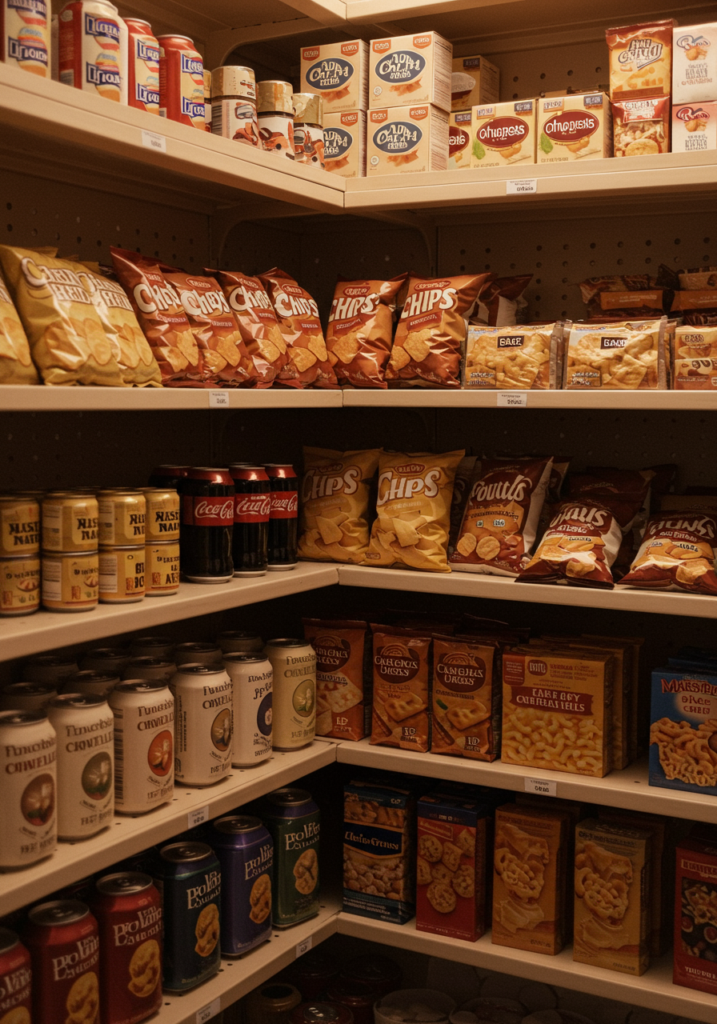
UPFs aren’t just cooked or packaged meals, they’re industrial formulations often high in sugar, salt, unhealthy fats, and additives. Think: many ready-to-eat snacks, fast-food items, processed meats, sugary drinks, and “instant” meals. They’re designed for convenience and shelf-life, not nutrition.
How to Protect Yourself & Embrace a Healthier Gut
-
Choose whole, minimally processed foods: Fresh fruits and vegetables, whole grains, lean proteins.
-
Cook at home more often: Home-cooked meals give you control over ingredients.
-
Read labels: Avoid foods loaded with additives, preservatives, excessive salt, sugar, or saturated fat.
-
Limit fast fixes: Reduce reliance on instant meals, packaged snacks, sodas, and frozen dinners.
-
Think long-term: Small changes today could pay off decades down the road.
Final Thought
The new evidence from JAMA Oncology adds urgency to a growing message: diet matters, especially early in life. If ultra-processed foods are helping fuel the rise in early-onset colorectal cancer, then prioritizing real, whole foods might be one of the most powerful wellness decisions you make, for yourself and for future generations.
For more information on this study click here